The Core Insight
How did we do it?
We recovered from a national debt of 120% of GDP in less than ten years.
We did it quickly with smart tax and business legislation. With the massive amounts of corrupting money in politics today it will require public pressure to implement these policies again.
In 1950, with top marginal rates of 91% and top corporate rates of 52%, paying massive executive salaries was economically inefficient. Meanwhile, generous deductions for worker wages, benefits, and R&D made these investments highly attractive.
Result: CEO-to-worker pay ratios of 20-40:1 (vs. 350:1 today), 3.9% annual GDP growth, and robust corporate profits.
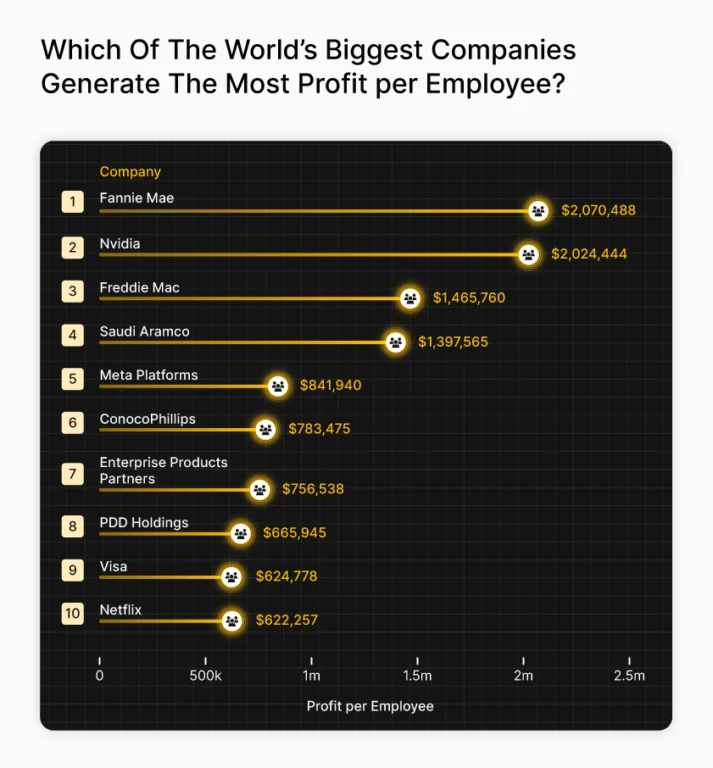
Result:In 1950 the preferred investment targets were companies that had the highest stock dividends compared to the stock price. Today the preferred investment targets are companies with the highest profit per employee.
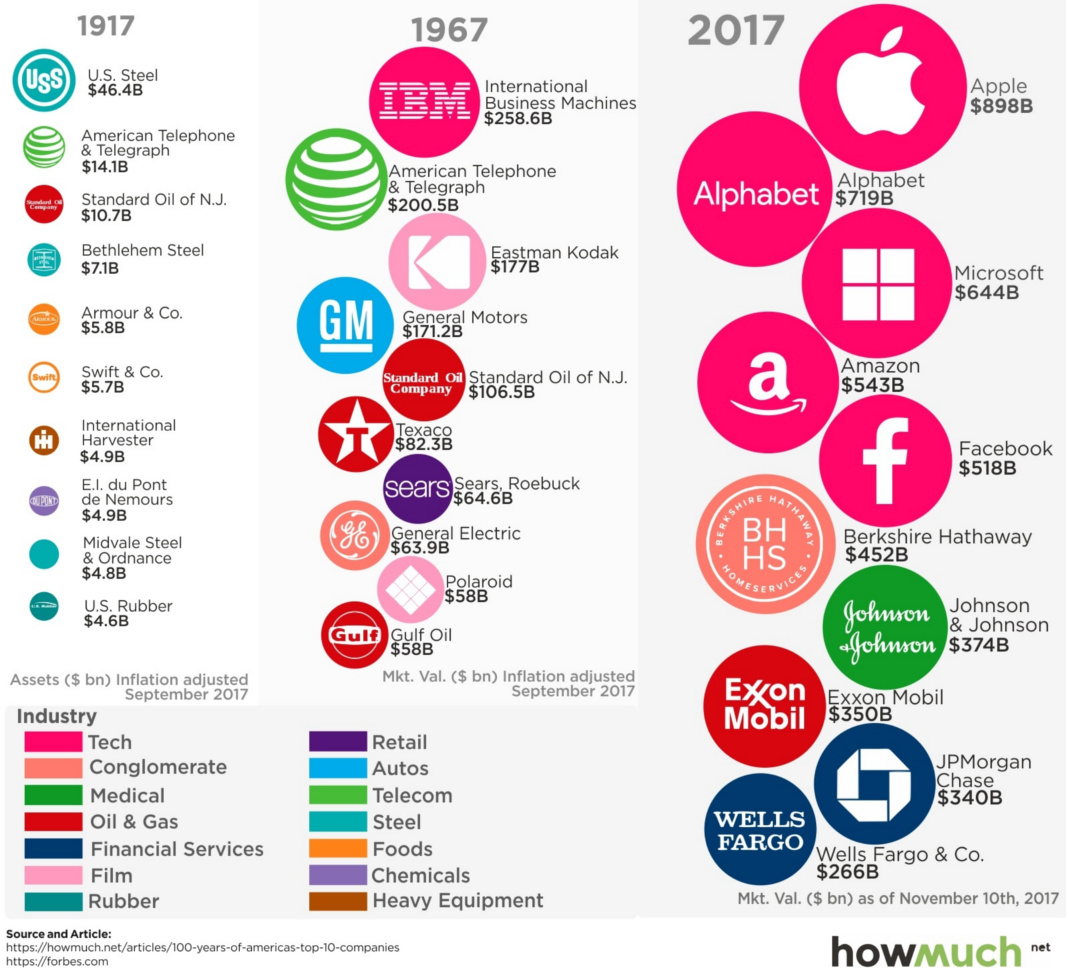
Result: This can be seen in the contrast between leading companies then and now:
Result:Investment in government bonds that finance our obscene national debt is a very attractive investment today. We the People pay interest on this debt to the tune of $6600 for every man woman and child in the US.
📊 Progressive Tax Rates
- 91-94% top marginal rate (1945-1963)
- 52% corporate tax rate
- 25% max capital gains rate
- 77% estate tax on fortunes
Mechanism: Ultra-high compensation became pointless—better to reinvest than extract.
💰 Enhanced Worker Deductions
- Full deductibility of worker wages
- Health insurance deductions (1954 Tax Code)
- Retirement plan contributions
- Training & education expenses
Mechanism: Every dollar spent on workers reduced taxable income—made economic sense.
🔬 R&D Incentives
- Immediate deduction for research expenses
- Accelerated depreciation for equipment
- Tax credits for innovation
- Favorable treatment of patents
Mechanism: Innovation investment was tax-advantaged vs. profit extraction.
🚫 Executive Pay Limits
- No deductibility above certain thresholds
- Limited stock option advantages
- Closed "collapsible corporation" loopholes
- Strong anti-avoidance rules
Mechanism: Companies paid double penalty for excessive exec pay—cash + lost deduction.
👥 Labor Support
- 35% union membership rate
- Strong collective bargaining rights
- Minimum wage tied to productivity
- Worker-friendly labor law
Mechanism: Unions negotiated wage increases companies found tax-efficient to grant.
🏢 Corporate Governance
- Independent board oversight
- Shareholder accountability
- Stakeholder capitalism norms
- Disclosure requirements
Mechanism: Social norms + legal structure prevented "race to the bottom."
🎯 The Mathematical Reality
Scenario A: Pay Executive $20M
- Only $1M deductible (under proposed rules)
- Company pays 45% tax on remaining $19M = $8.55M
- Total cost: $28.55M to deliver $7M to exec (after 65% personal tax)
- Efficiency: 24.5%
Scenario B: Raise Worker Wages $19M
- 150% super-deductible = $28.5M deduction
- Tax savings: $28.5M × 45% = $12.8M
- Net cost: $6.2M to deliver $19M to workers
- Efficiency: 306%
The choice becomes obvious: invest in workers, not extraction.
🎯 Key Takeaway
We should demand from our legislatures:
- Middle class tax reduction - Middle class spending drives our economy.
- A truly progressive tax system with high top rates.
- Business regulation that encourages productive investment.
- Effective regulation of labor unions to prevent corruption.
- Campaign Finance Reform